





Overview of the Anticipated National Message
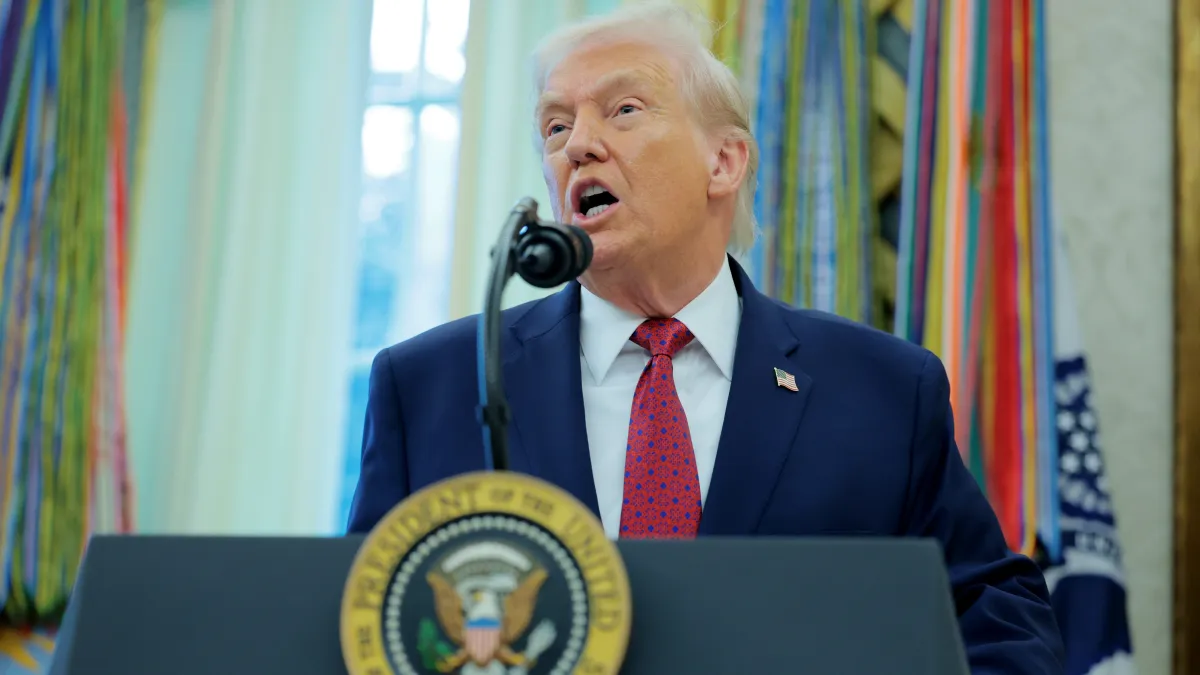
The forthcoming moment when trump to address the nation is expected to capture substantial public attention, due to the scope of domestic and geopolitical challenges now shaping the national landscape. When a presidential figure prepares a major broadcast, the political, economic, and social environment typically undergoes intensified scrutiny. Stakeholders across government, business, civil society, and the global diplomatic community closely evaluate the tone, direction, and specificity of such remarks. Because the current climate reflects heightened concerns about governance, security, and economic stability, the expectations regarding this appearance are high. As discussion escalates around what themes are most likely to surface, observers are signaling that this address represents more than ceremonial communication. It stands as a strategic inflection point that may influence policy trajectories, investor sentiment, and public confidence at a moment when domestic decision-making is tightly interconnected with global outcomes. For More Content Visit Top Trendz .
National Security and Strategic Stability
Heightened Attention on Defense Posture
One of the leading subjects expected when trump to address the nation occurs relates to matters of national security and strategic readiness. With several geopolitical fault lines currently intensifying, the administration is expected to reinforce commitments to defense modernization, intelligence coordination, and cooperative deterrence efforts with long-standing allies. Such themes typically arise when presidential communications attempt to reassure the public and external partners of the United States’ capability to operate from a position of strength. Analysts anticipate commentary reflecting both immediate security challenges and broader strategic doctrines that may shape the country’s deterrence framework for years to come. This focus is especially prominent because global volatility requires clear articulation of priorities that can sustain continuity across agencies and operational theaters.
Cybersecurity and Infrastructure Protection
Another likely angle within the security framework pertains to digital defense and the safeguarding of critical infrastructure. The growing sophistication of cyber threats creates vulnerabilities for energy networks, financial systems, and public institutions. The appearance of trump to address the nation may incorporate statements regarding cross-sector collaboration, enhanced regulatory requirements, and expanded federal capabilities to detect, prevent, and neutralize malicious activity. Executive leadership often seeks to demonstrate alignment between public-private operations and national protective measures, particularly at a time when the economic and security consequences of cyber disruption are increasingly severe.
Economic Conditions and Workforce Concerns
National Economic Performance
Observers anticipate that the economy will play a central role when trump to address the nation, especially given the persistent volatility across labor markets, supply chains, and financial environments. Presidential administrations typically use major addresses to project assurance regarding fiscal stewardship, outline targeted reforms, and reinforce commitments to national competitiveness. The narrative surrounding inflation, wage dynamics, productivity trends, and industrial policy initiatives is expected to form a substantial portion of the messaging. Public sentiment on economic well-being—whether positive or negative—significantly influences political momentum, making this an essential dimension of the anticipated remarks.
Labor Conditions and Technological Disruption
Workforce transformation, emerging automation technologies, and sector-specific job pressures are also likely to surface. Businesses across manufacturing, logistics, healthcare, and technology continue to face structural constraints that require strategic adaptation. The national audience will look for clarity on initiatives that support workforce development, training, mobility, and innovation investments. When trump to address the nation, it is expected that the administration will highlight programs designed to strengthen the talent pipeline, expand skill-focused education, and facilitate transitions into high-demand fields. Such remarks would signal the administration’s recognition that economic resilience depends on human capital readiness just as much as it depends on macroeconomic policy.
Public Health and Systems Capacity
Emerging Health Challenges
Although the acute phase of recent public health crises has subsided, new challenges relating to disease surveillance, healthcare capacity, and preventive strategies continue to shape national planning. During the moment trump to address the nation, analysts predict an emphasis on the need to maintain durable public health infrastructure capable of responding to both immediate and long-term threats. These remarks may reference federal-state cooperation, research funding, and the modernization of medical systems to improve response times and reduce systemic strain.
Healthcare Affordability and Access
Beyond preparedness and resilience, access and affordability remain core public concerns. Rising costs, disparities across communities, and access to primary care services continue to generate policy pressure. If trump to address the nation aims to reassure households and healthcare providers, the address may include references to new measures intended to stabilize insurance markets, broaden access to essential care, and reduce financial burdens on families. The administration is aware that healthcare discussions consistently influence public trust and civic satisfaction, particularly as Americans seek long-term clarity in a system undergoing continual transformation.
Immigration and Border Policy
National Debate on Migration
Immigration policy remains a central issue with substantial influence across political, social, and economic domains. Analysts expect that when trump to address the nation, the address may include remarks detailing new or modified approaches to managing borders, processing asylum claims, and strengthening enforcement structures. Presidential messaging on immigration typically attempts to balance public sentiment, humanitarian considerations, and national security priorities. Given heightened scrutiny at both borders, these issues will likely occupy a significant portion of the address.
Workforce, Demographics, and Economic Integration
Beyond enforcement, the conversation frequently touches on demographic trends and the role of immigrants within the workforce. As industries contend with labor shortages and shifting population dynamics, policymakers increasingly evaluate the long-term economic implications of immigration frameworks. Administrations often use national addresses to clarify how immigration aligns with broader economic growth strategies. The upcoming moment when trump to address the nation occurs may therefore highlight pathways to ensure that immigration policies support both security needs and economic vitality.
Energy Policy and Climate-Related Strategy
Domestic Energy Production
Energy policy has heightened importance given market disruptions, supply constraints, and geopolitical tensions. During the time trump to address the nation, it is expected that the administration will expand on domestic energy production strategies, infrastructure investments, and regulatory reforms designed to secure stable, affordable energy for households and industries. This area of policy affects inflation, national security, and global competitiveness, making it a likely centerpiece.
Climate-Oriented Initiatives
While energy production may take precedence, climate-related initiatives often factor into national policy communication. Discussions may include efforts to enhance environmental resilience, support clean-technology development, and align federal activity with global climate commitments. The administration may emphasize strategic innovations in transportation, renewable energy, and emissions reduction. Such messaging aims to demonstrate long-term planning, market modernization, and collaboration among research institutions, private sector innovators, and government agencies.
The Role of National Unity and Civic Cohesion
Tone, Rhetoric, and Expectations
Major national addresses often contain a rhetorical component intended to strengthen civic cohesion during moments of division or uncertainty. This dynamic is significant because presidential communication helps frame national identity, social expectations, and public confidence. When trump to address the nation, the tone selected—whether conciliatory, assertive, or directive—will likely influence how policymakers, investors, and citizens interpret the broader implications of the speech. The ability to articulate a unified vision remains a strategic asset for any administration navigating complex national challenges.
Institutional Trust and Public Engagement
Institutional trust remains a primary concern across many sectors of society. As polarization continues to influence public discourse, administrations frequently seek to rebuild confidence in federal institutions, oversight bodies, and democratic processes. The anticipated moment when trump to address the nation could serve as a forum for reestablishing a sense of continuity and transparency. By addressing public expectations directly, the administration may attempt to reinforce legitimacy and strengthen engagement throughout the electorate.
International Relations and Diplomatic Priorities
Navigating Global Partnerships
International partnerships, trade frameworks, and diplomatic alignments remain essential pillars of national strategy. When trump to address the nation, it is likely the administration will outline its approach to strategic partnerships with major allies and multilateral institutions. Commentary may address trade agreements, alliance commitments, humanitarian responsibilities, and principles of global leadership. Such remarks are intended to reassure international observers that the United States maintains a consistent, coherent role in global governance.
Emerging Global Crises
Beyond traditional alliances, emerging global crises increasingly require rapid and coordinated responses. Humanitarian conflicts, energy disruptions, and economic instability across various regions place new demands on diplomatic resources. Administrations often use national addresses to articulate a strategy for responding to these developments while demonstrating the capacity to balance domestic priorities with international obligations. This framework contributes to a broader understanding of how foreign policy supports national interests.
Media, Public Reaction, and Political Implications
Anticipated Media Response
Media outlets will provide continuous coverage, analysis, and commentary as soon as the moment trump to address the nation concludes. News organizations will evaluate the clarity, tone, and substance of the speech while assessing its alignment with observable policy actions. Public discussions are expected to intensify across broadcast platforms, digital networks, and opinion-driven forums, shaping the narrative of the speech’s impact on national direction.
Political Repercussions and Legislative Outlook
The address will also influence legislative negotiations. Congressional leaders will interpret the speech as a blueprint for strategic priorities that require new bills, amendments to existing policies, or enhanced interbranch coordination. Depending on the themes emphasized, the national message may accelerate, delay, or reshape the legislative agenda. Historical patterns indicate that presidential addresses often serve as catalysts for renewed policy debate across both chambers of Congress.
Conclusion
The forthcoming moment when trump to address the nation has become a point of convergence for citizens, policymakers, investors, and global partners seeking clarity on the administration’s strategic direction. With national security, economic performance, public health, immigration, energy, and diplomatic prioritization all occupying critical space in the national debate, the expectations surrounding this address are substantial. The themes selected will not only shape immediate public reaction but also influence long-term governance, market stability, and international perception. As anticipation builds, stakeholders across every sector continue to assess how the contents of the address may guide the country through the next phase of political, economic, and social decision-making.
Frequently Asked Questions
What subjects are most likely to be highlighted?
The address is expected to concentrate on national security, economic conditions, public health strategy, immigration, energy policy, and diplomatic commitments.
Why is this particular address considered highly significant?
It arrives at a moment when national challenges intersect with global volatility, and presidential messaging plays a major role in shaping policy direction and public confidence.